Spain - Mero y Pulpo
A low-cost, integrated programme to restore keystone species, manage tourism, and protect the coastline of Mar De Pulpi.
THE MERO Y PULPO PROJECT
Bringing back the fish Mediterranean culture was built on
The project operates under the name Mero y Pulpo (Grouper and Octopus). This is not merely a label – it is a deliberate reframing strategy for marine protected areas. Rather than “protecting areas,” the project focuses on restoring and replenishing keystone fish species that are important for biodiversity and Spanish culinary culture.
This reframing is central to the project’s theory of change. Traditional MPA language – habitat protection, biodiversity corridors, no-take zones – is perceived as abstract or restrictive in Mediterranean communities where fishing and cuisine are core identity markers. By anchoring protection in the recovery of species that people remember, cook, and culturally value, the project builds local support rather than local resistance.
An Ecological Problem
Declining populations of key reef species
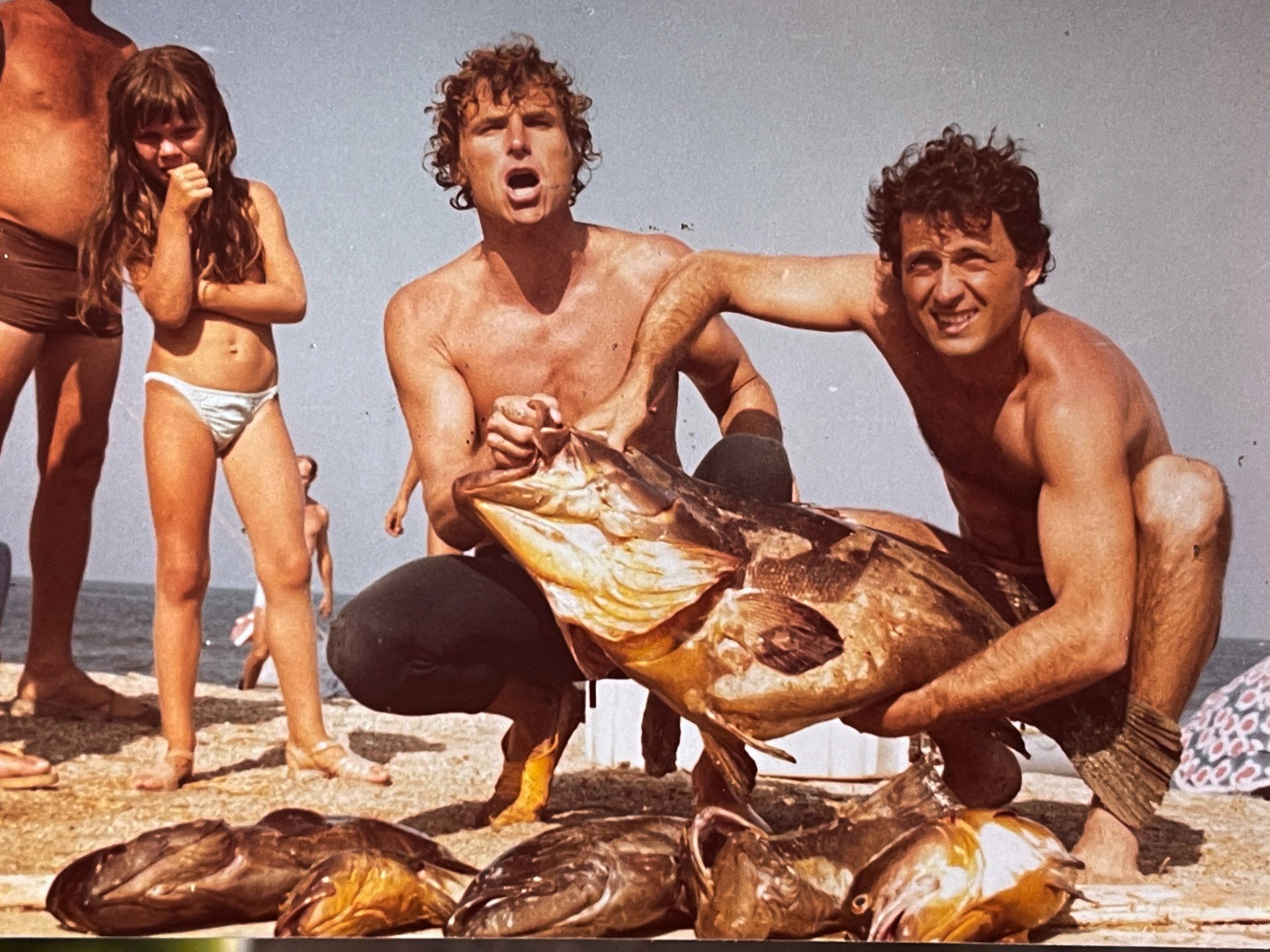
Overfishing by recreational spear-fishers and illegal activity
Limited enforcement.


An Tourism Problem
Rapid tourism growth
Unregulated motorhome parking
Environmental pressure, waste management issues, and conflicts with residents
Marine Recovery
Focused on grouper and octopus - keystone species for biodiversity and Spanish culinary culture
Drone Surveillance
Coastal monitoring along the Almería coastline
Tourism Management
Regulating motorhome parking areas and reducing environmental pressure






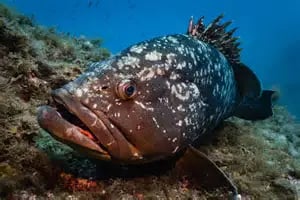
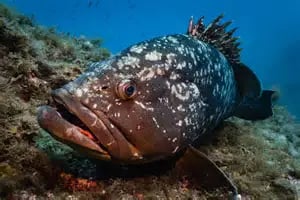
Dusky Grouper
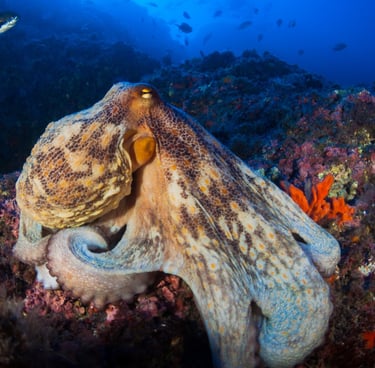
Common Octopus
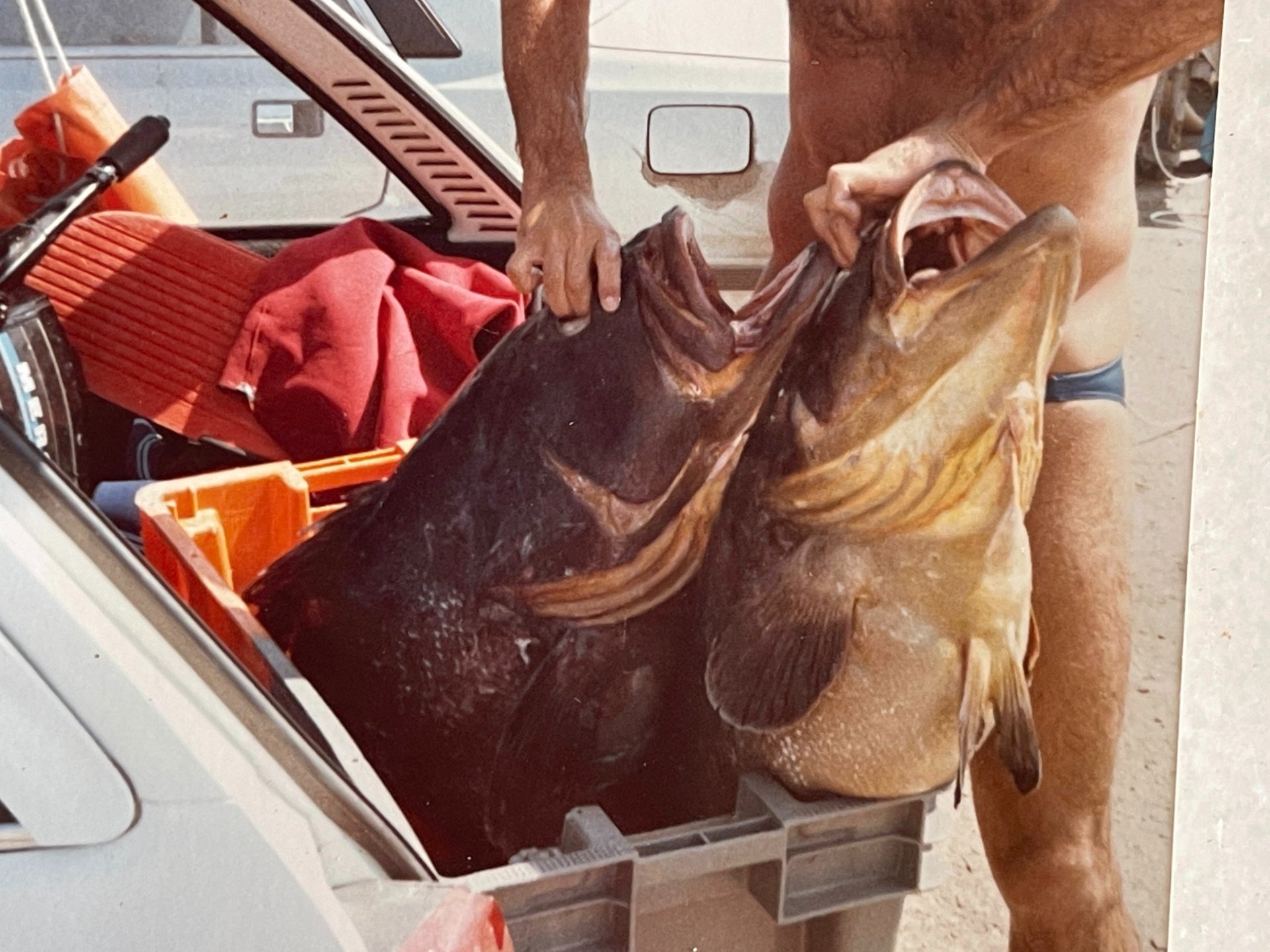
Once abundant in shallow, rocky reefs, the Dusky Grouper is now classified as Vulnerable globally and Endangered in the Mediterranean. Catch declined by 88% across 7 countries between 1990 and 2001.
All individuals begin life as females. Spear fishing is especially damaging — divers target the largest, oldest breeders, rapidly eliminating the reproductive core of local populations.
Mediterranean Spanish octopus landings dropped from 7,889 tonnes in 2000 to 2,867 tonnes in 2016. Key issues include excessive fishing, harvesting of undersized individuals, and lack of monitoring.
Recreational capture is completely prohibited in Almería, with fines of up to €3,000 and seasonal closures from July to September.

WHAT PROTECTION ACHIEVES
Immediate survival
Large individuals survive. Within 3 years, the average fish size in the protected zone increases
Rapid biomass growth
Total biomass grows 3-10x inside the protected zone compared to nearby fished areas
Reproductive spill-over
Large groupers produce more eggs - larvae disperse and replenish nearby fishing grounds